


You know that moment when you realise you haven't sipped water since your morning coffee? On GLP-1 medication, that moment happens a lot more often than you'd expect.
Here's the thing. GLP-1s don't just turn down your appetite. They quietly dial back your thirst signal, too. So your body's running low on fluid, but your brain isn't sending the memo.
Pair that with common side effects like nausea, and you've got a hydration problem hiding in plain sight.
This guide covers your daily fluid targets, electrolyte needs, and warning signs to watch for.
What GLP-1 Medication Actually Does to Your Thirst
GLP-1s like Ozempic and Wegovy aren't diuretics. They don't force water out of your body. But they mess with four things that directly affect how hydrated you stay.
1. You’re Getting Less Water From Food Than You Think
About 20% of your daily fluid intake comes from what you eat. Cucumbers, soups, fruit, that sort of thing. When your appetite drops, so does that hidden water source. Fewer meals, less fluid. Simple maths.
2. GI Side Effects Drain You Fast
Nausea, vomiting, and diarrhoea are some of the most common side effects when taking GLP-1 medications. Research puts the figure at roughly 11% of users. Every episode pulls water and minerals out of your system.
3. Your Kidneys Start Flushing Extra Sodium
GLP-1 medication can trigger something called natriuresis, where your kidneys dump more sodium than usual. More sodium out means more water follows. More trips to the loo, and dehydration creeps closer.
4. Your Brain Stops Telling You You’re Thirsty
This one catches people off guard. GLP-1s bind to receptors in the hypothalamus, the part of your brain that regulates hunger and thirst.
When the drug turns hunger down, thirst goes with it.
You might notice a dry mouth, rinse it out, and carry on. Meanwhile, your body's asking for fluid you're not giving it

Daily Water Intake Targets for GLP-1 Users
Aim for 2 to 3 litres of total fluid every day.
If you're active, push that closer to 3.7 litres. Your body's losing extra fluid through sweat, and GLP-1s make it harder to bounce back.
-
Baseline: 2 to 3 litres daily
-
Training days: Closer to 3.7 litres, depending on your activity level
-
First thing in the morning: About 500ml within 30 minutes of waking up
That morning, your body loses fluid overnight, and GLP-1 medication can make morning nausea worse on an empty, dehydrated stomach.
Front-loading your water intake early in the day takes the pressure off later.
How to Drink More Water Without Triggering Nausea
You realise you haven't had enough water, so you down a massive glass in one go. Bad idea.
GLP-1 medication slows gastric emptying, which means your stomach takes longer to process what's in it. Gulping a large volume of water on a sluggish stomach? That's a fast track to nausea.
The sip method works much better:
-
Throughout the day: Sip 120 to 180ml every hour
-
Two hours before exercise: Have 350 to 500ml of water or an electrolyte mix
-
During a workout: Take a few sips every 10 to 15 minutes
-
After training: Rehydrate steadily, not all at once
Keep a water bottle on your desk, in your bag, by your bed. If it's within arm's reach, you'll drink. If it isn't, you'll forget.
Water's Not Enough, You Need Electrolytes Too
Drinking water is half the job. Electrolytes make sure your body actually uses them.
When you eat less, you miss the minerals you'd normally get from meals. Throw in GI side effects and the sodium your kidneys are flushing, and the gap gets wider.
Three minerals to look for in an electrolyte blend:
-
Sodium: Helps your body hold onto fluid instead of flushing it straight through
-
Potassium: Keeps your muscles working properly and prevents cramping
-
Magnesium: Helps with constipation, which is one of the most common side effects of GLP-1s
One electrolyte serving a day is a solid baseline. On workout days, go for two. Drop a tablet or stick pack into your water bottle and you're sorted.

How to Tell If You're Dehydrated
When you're taking GLP-1 medications, thirst isn't a reliable signal anymore. Your brain's turned the volume down.
So you've got to watch for physical markers instead.
-
Urine colour tells you everything. Pale straw or light lemonade? You're on track. Dark yellow or amber? You need to drink enough water right now.
-
Pinch the skin on the back of your hand. If it stays tented instead of snapping back flat, you're dehydrated.
-
Those "medication side effects" might just be dehydration. Headaches, brain fog, low energy, stalled weight management progress.
-
People blame the medication, but these are often signs that fluid intake is too low.
Before changing anything else, try increasing your water intake for a few days and see what shifts.
Try the EXALT 7-Day GLP-1 Nutrition Plan for Easier Hydration
Consistency is everything when your appetite keeps changing. On the days when food feels like a chore, it's easy to skip meals and forget to hydrate.
That's when fatigue and muscle loss start to show up.
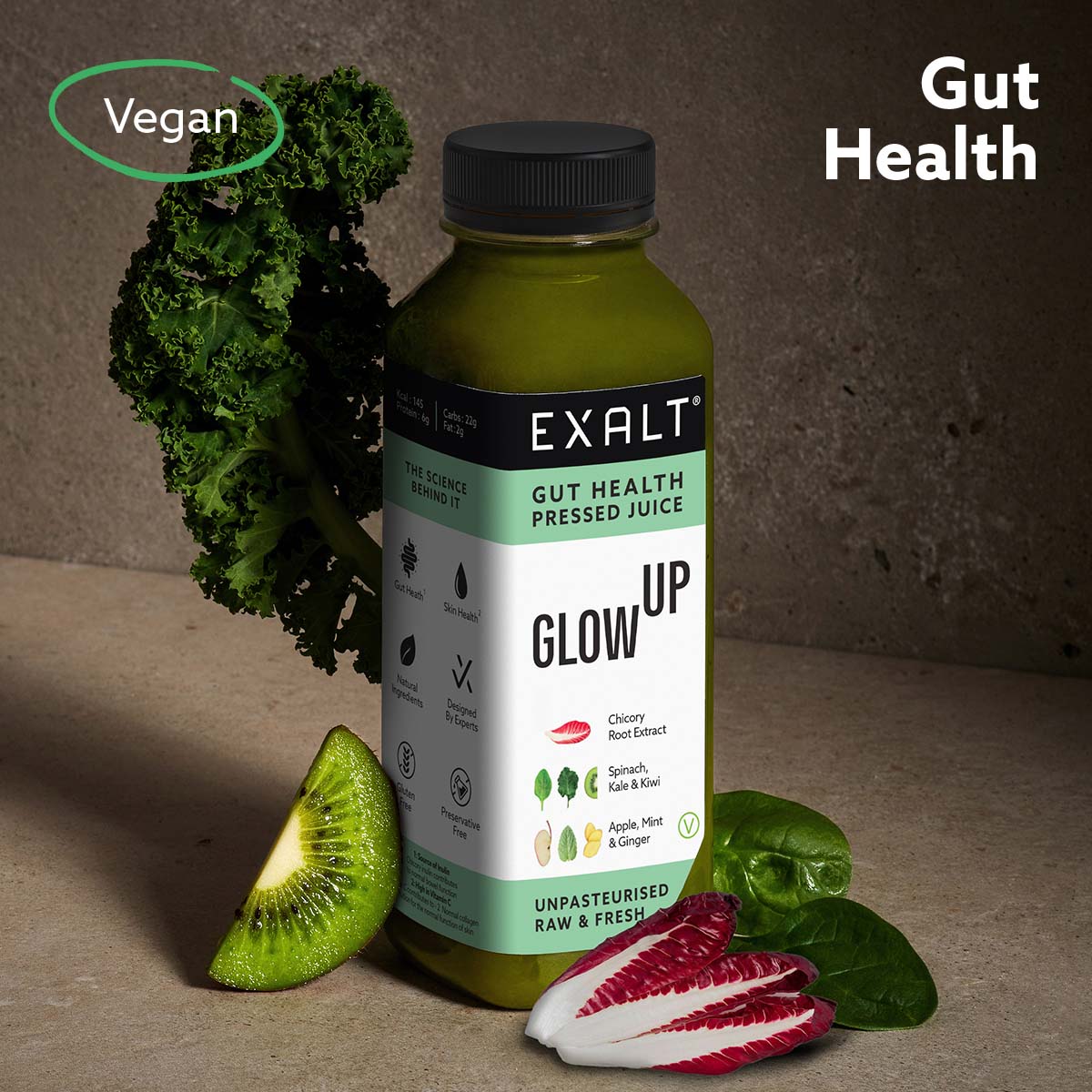
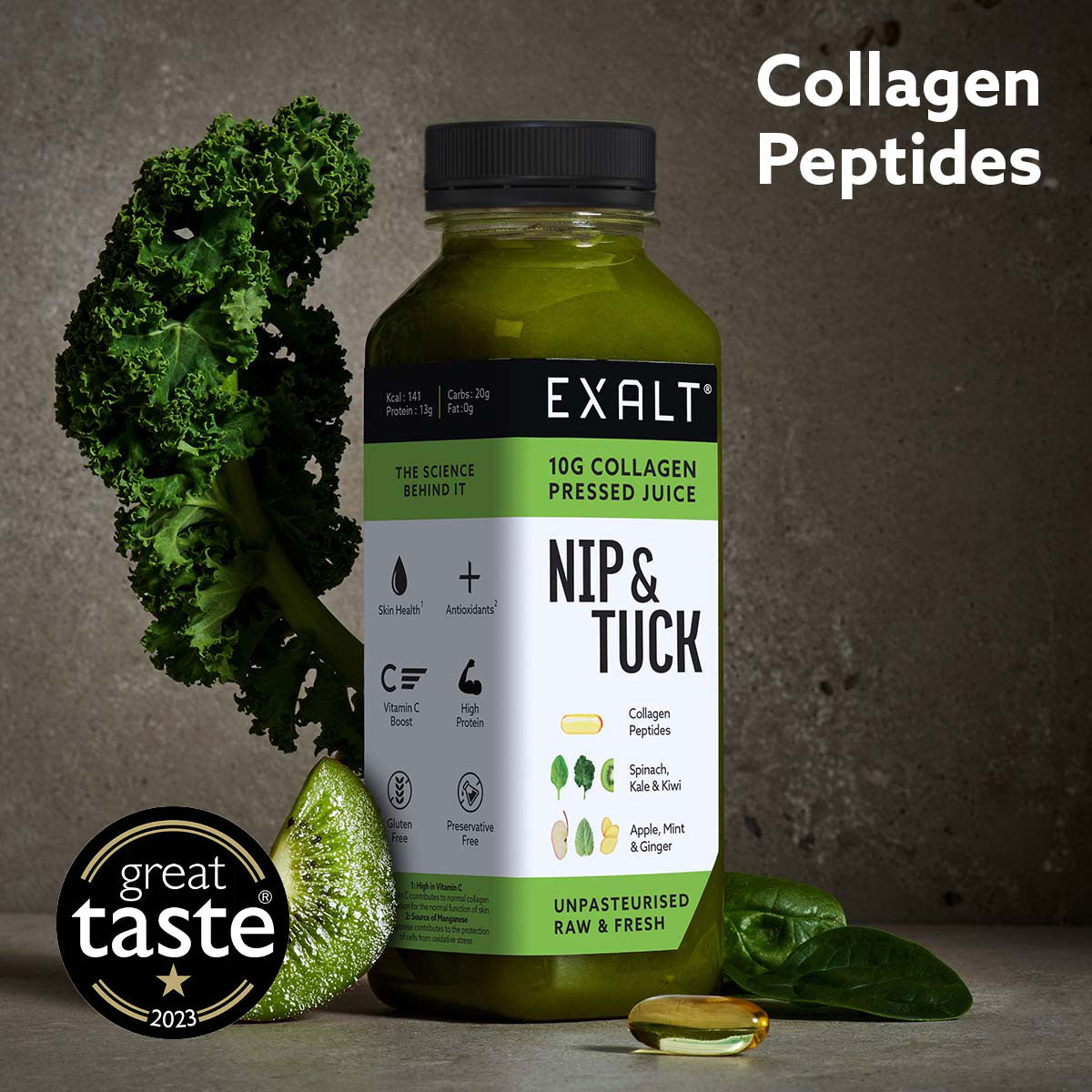
The EXALT 7-Day GLP-1 Nutrition Support Plan keeps your daily nutrition ticking over, even when your appetite won't cooperate. It's a set of fresh, dietitian-led drinks packed with protein, healthy fats, and key micronutrients.

You pick the bundle that matches your appetite, whether that's normal, low, or somewhere in between.
Every serving counts toward your daily fluid volume, so you're covering hydration and nutrition in one go.
GLP-1 Hydration in a Nutshell
Knowing how much water to drink on GLP-1 is one of the simplest ways to feel better on your medication.
Sip steadily, add electrolytes, and watch for the signs your body gives you instead of waiting for thirst.
Your body's doing a lot of work right now. Give it the fluid it needs to keep up.


