


Can you drink alcohol with GLP-1 medications?
If you’re on Ozempic, Wegovy, Mounjaro, or Zepbound, it’s a fair question. You’re putting in the work, and you’re seeing results. Then a Friday night comes along, and someone hands you a glass of wine.
There’s no official rule that says you can’t. But alcohol and GLP-1 medication don’t always mix well, and a few things could catch you off guard.
Here’s what you need to know about the side effects, the risks, and how to stay nourished if you do choose to drink.
What Happens When You Drink Alcohol While Taking GLP-1?
There’s no known direct drug interaction between alcohol and semaglutide or tirzepatide.
But that doesn’t mean it’s smooth sailing. Alcohol and GLP-1 medication can trigger overlapping side effects, and your body may react differently than it did before you started treatment.
-
Nausea gets worse: GLP-1 medications already cause nausea and vomiting for many people. Alcohol amplifies both.
-
Blood sugar levels can drop: Alcohol can lower blood sugar. So can GLP-1 drugs. Together, they create a higher risk of hypoglycemia, especially if you’re managing type 2 diabetes.
Remember that everyone reacts differently. Your doctor can tell you whether drinking in moderation is safe based on your specific treatment.
The Three Risks You Shouldn't Ignore
Other than the daily side effects, there are three serious risks worth knowing about.
Risk of Pancreatitis
Pancreatitis is inflammation of the pancreas. It causes intense upper stomach pain, fever, and vomiting.
Heavy alcohol use is one of the most common triggers. GLP-1 medications have also been linked to pancreatitis.
There’s no confirmed evidence that combining them raises the risk, but health experts recommend caution.
Hypoglycemia
If you’re taking a GLP-1 medication for type 2 diabetes, you might be at risk for hypoglycemia.
Alcohol can lower blood sugar levels. GLP-1 drugs do the same. That combination can trigger hypoglycemia, with symptoms like drowsiness, slurred speech, and confusion.
If you’re also on insulin or other blood sugar medication, the risk increases even more.
Liver Strain
Your liver processes alcohol as a toxin first. That slows down how it handles your medication.
Reducing alcohol intake gives your liver room to function properly, and that’s especially important when you’re on a long-term prescription.
Don't Fancy a Drink Anymore? Here's Why
Some people on GLP-1 medication notice they simply don’t want to drink anymore. And early research backs that up.
One study has even suggested GLP-1 drugs could be explored as a treatment for alcohol use disorder.
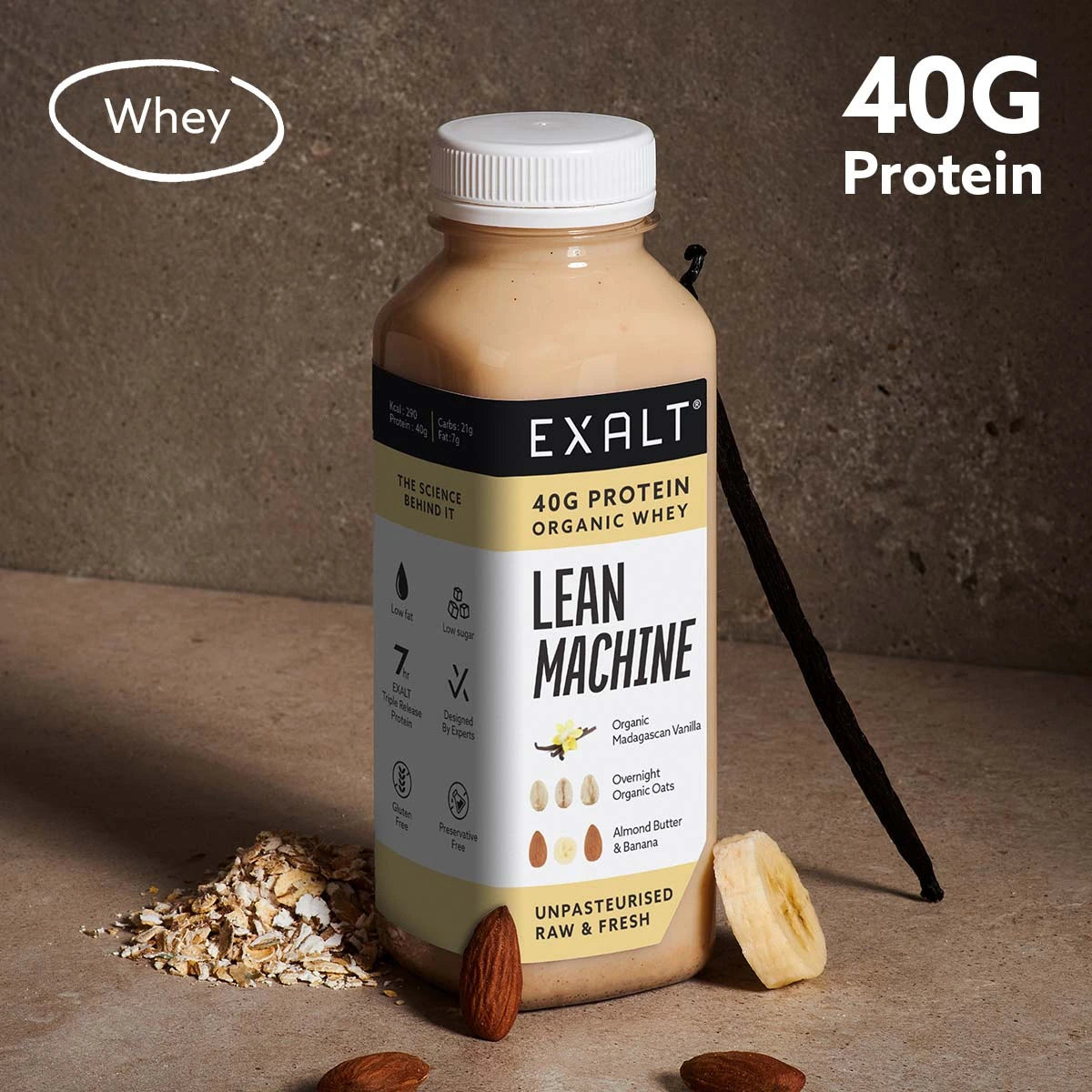
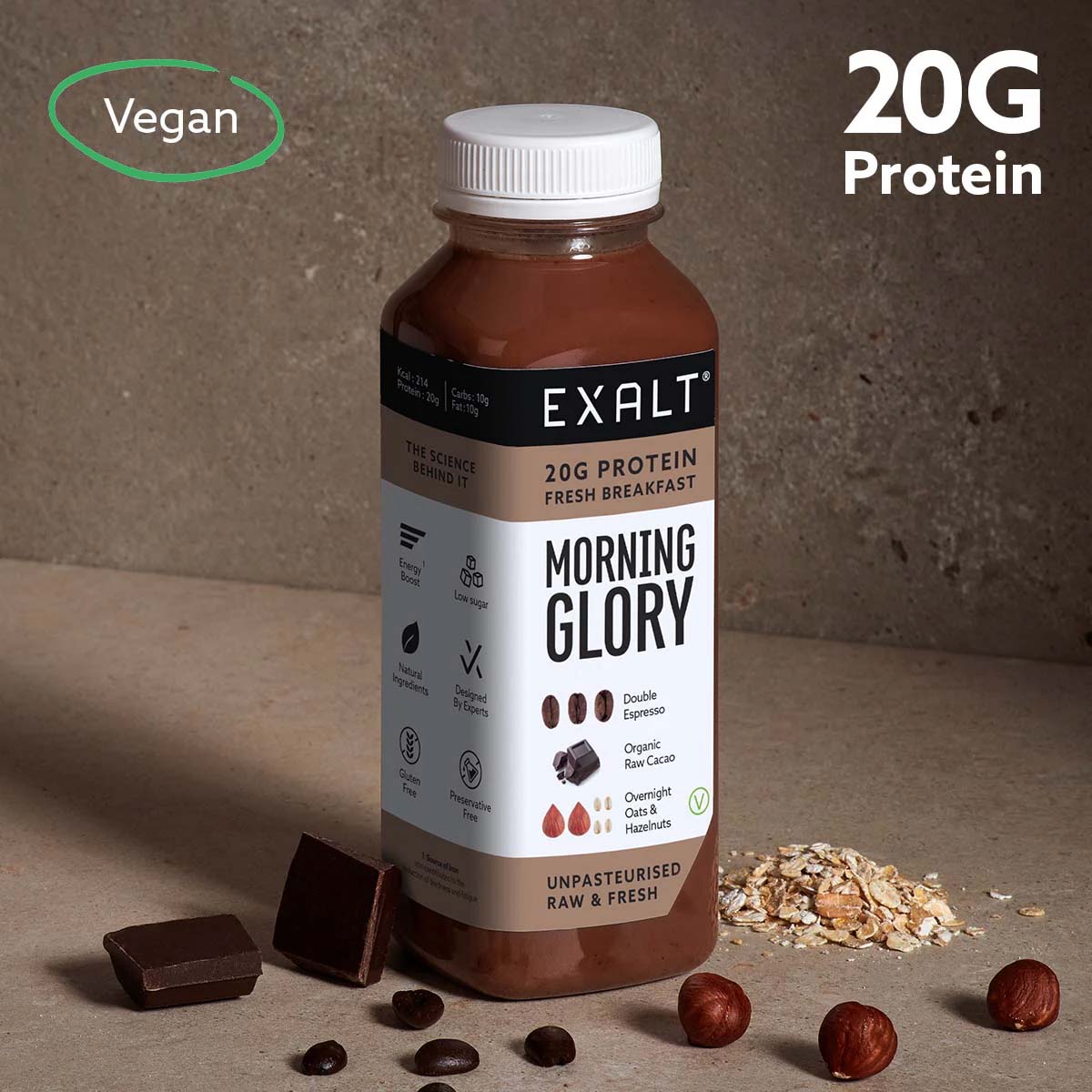
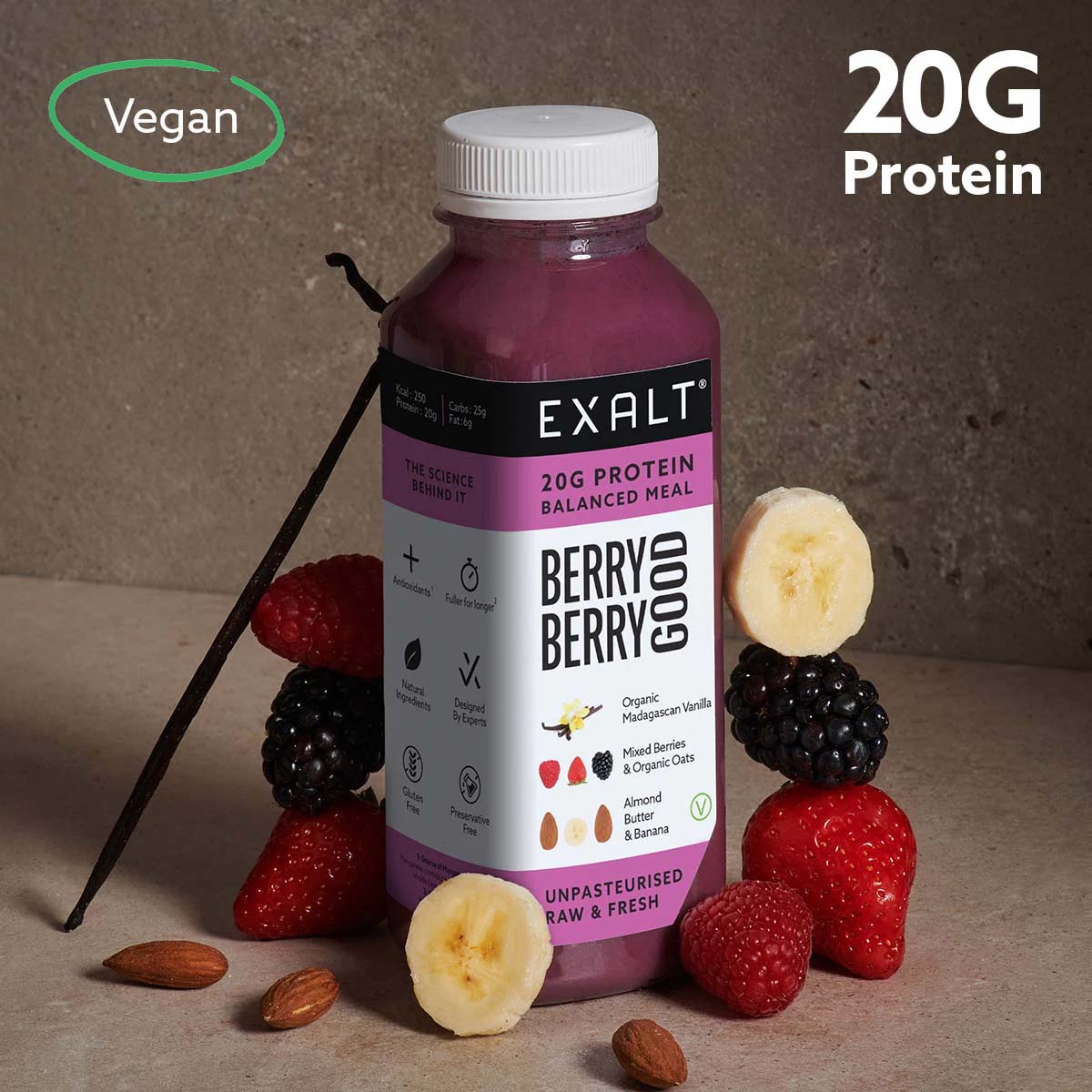
If you’ve lost interest, that’s your body doing you a favour. Swap the wine for sparkling water, a herbal tea, or a protein-packed smoothie and keep the momentum going.

How a Few Drinks Can Quietly Undo Your Progress
Weight management is a big reason people start GLP-1 treatment. And alcohol consumption can quietly work against your progress.
A glass of wine has about 100 calories, and a shot of spirits is roughly 100 per ounce. None of these offers any nutritional value.
One drink here and there won’t ruin your weight loss journey. But regular alcohol intake adds up, and those empty calories take the place of nutrients your body actually needs.
No Appetite? Here's How to Stay Nourished Anyway
GLP-1 medications suppress appetite. That’s the point. But it also means every calorie you do consume has to work harder.
Protein tops the list. It prevents muscle loss, which is a common concern when you’re eating less.
You also need enough vitamins, minerals, and fibre to keep your body running well, even on the days when food doesn’t appeal to you.
When nausea hits or eating feels like too much effort, liquid nutrition is a gentle way to get what you need.

Try the EXALT 7-Day GLP-1 Nutrition Plan
The EXALT 7-Day GLP-1 Nutrition Support Plan is a flexible system that matches your appetite level day by day.
You pick from multiple bundles based on how you feel. Each one delivers high-protein, macro-complete smoothies packed with healthy fats, vitamin B12, fibre, and antioxidants.
A leading dietitian helped create the plan. It’s made to prevent muscle loss, reduce cravings, and keep energy steady throughout your GLP-1 journey.
You don’t have to force down a heavy meal. You just have to stay nourished.
Talk to your doctor about alcohol. Then check out our GLP-1 plan and give your body something it’ll actually thank you for!


