


Picture this: you’re three weeks into Ozempic, Wegovy, or Mounjaro, the jeans are looser, the scales are cooperating, and you’re feeling genuinely chuffed. Then someone casually drops the word “protein” into conversation.
Suddenly, you’re Googling “how much protein do I need on GLP-1” while your sad little salad stares back at you, judging.
Fair enough. Protein intake on GLP-1 medication is the biggest factor that determines whether you lose fat or lose muscle underneath it.

What Happens to Your Muscles When Calories Drop on GLP-1s?
GLP-1 medications are brilliant at shrinking your appetite. But here’s the bit nobody warns you about at the pharmacy.
When your body takes in fewer calories, it doesn’t politely burn only fat. It rummages around for energy like a teenager raiding the fridge at midnight, and muscle tissue is fair game.
Lose too much of it, and your metabolism slows down, meaning your body burns fewer calories at rest. That’s the exact opposite of what you’re after.
Adequate protein tells your body to leave the muscle alone and burn the fat instead. On GLP-1 treatment, it’s doing five jobs at once:
-
Preserving lean muscle mass while you lose weight
-
Keeping your metabolism running efficiently
-
Topping up satiety between meals
-
Steadying blood sugar levels
-
Fuelling immune function, hormones, and muscle protein synthesis
The Recommended Protein Intake on GLP-1 Medication
Most people on GLP-1 medication do well with 0.8 to 1 gram of protein per kilogram of body weight per day.
If you’re doing strength training or you’re fairly active, nudge that up to 1.2 to 1.6 grams per kilogram of body weight daily.
In proper human terms? If you weigh 80kg, that’s somewhere between 64 and 128 grams of protein daily.
At a bare minimum, aim for 20 to 30 grams of protein per meal. That’s roughly a palm-sized portion of chicken, a couple of eggs with Greek yoghurt, or a decent protein shake.
Here’s a quick reference for you:
-
Minimum: 0.8g per kilogram of body weight per day
-
Active or training: 1.2–1.6g per kilogram of body weight daily
-
Per meal: 20–30 grams, spread across every meal
Your body can only use so much protein at once, so three or four decent hits throughout the day beat one enormous steak dinner every time.

How to Get Enough Protein on a Shrinking Appetite
Here’s where GLP-1s get a bit inconvenient. They slow gastric emptying, which means fullness kicks in faster than you’d expect.
You sit down with the best intentions, take three bites of chicken, and your stomach announces it’s closed for the evening.
The trick isn’t eating more. It’s making every bite (or sip) work harder.
High-Protein, Low-Volume Swaps
Eat Greek yoghurt instead of regular yoghurt (double the protein, same portion).
-
Eggs or egg whites
-
Fish, chicken, turkey, or lean mince
-
Tofu, tempeh, or lentils
-
Cottage cheese
When Solid Food Won’t Cooperate, Go Liquid
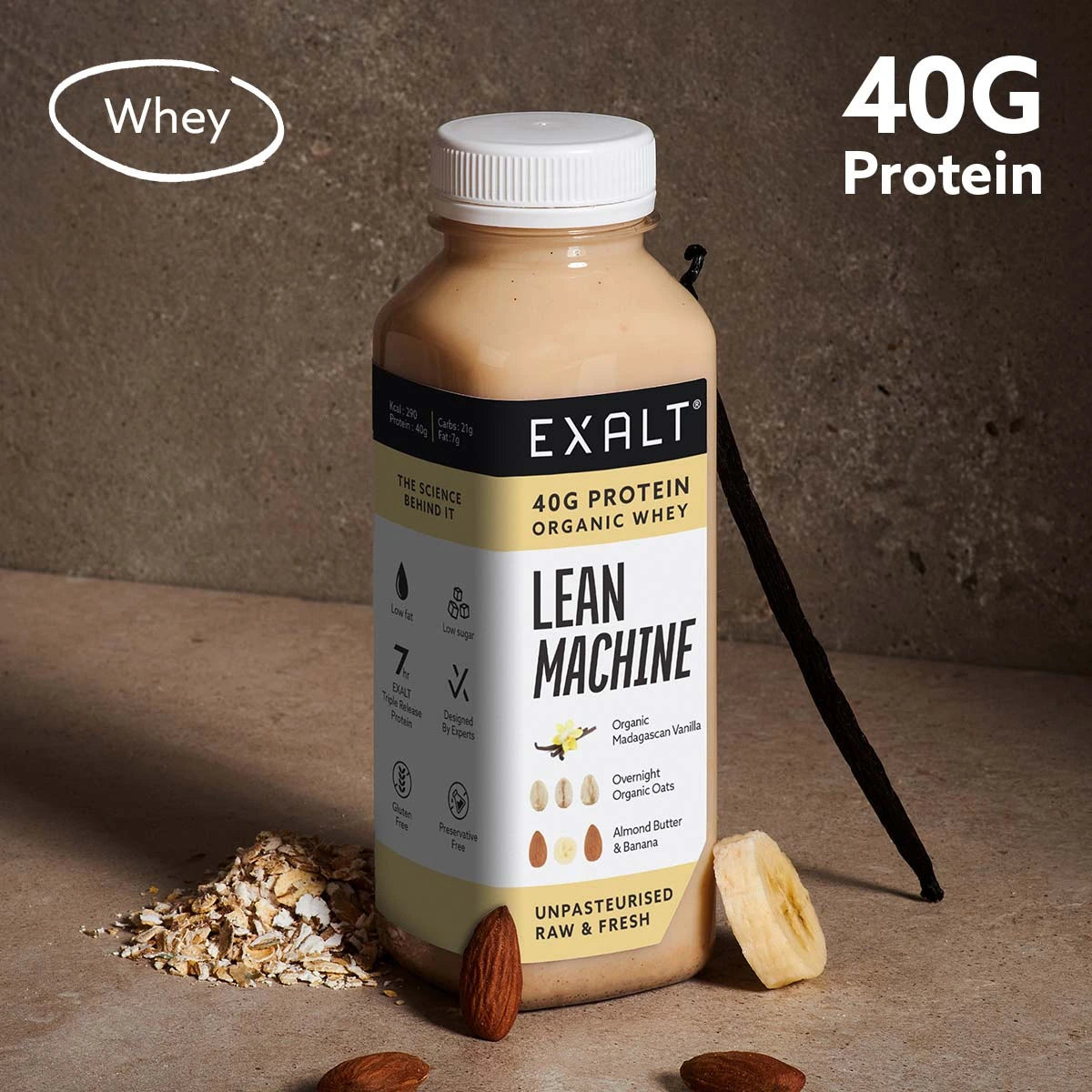
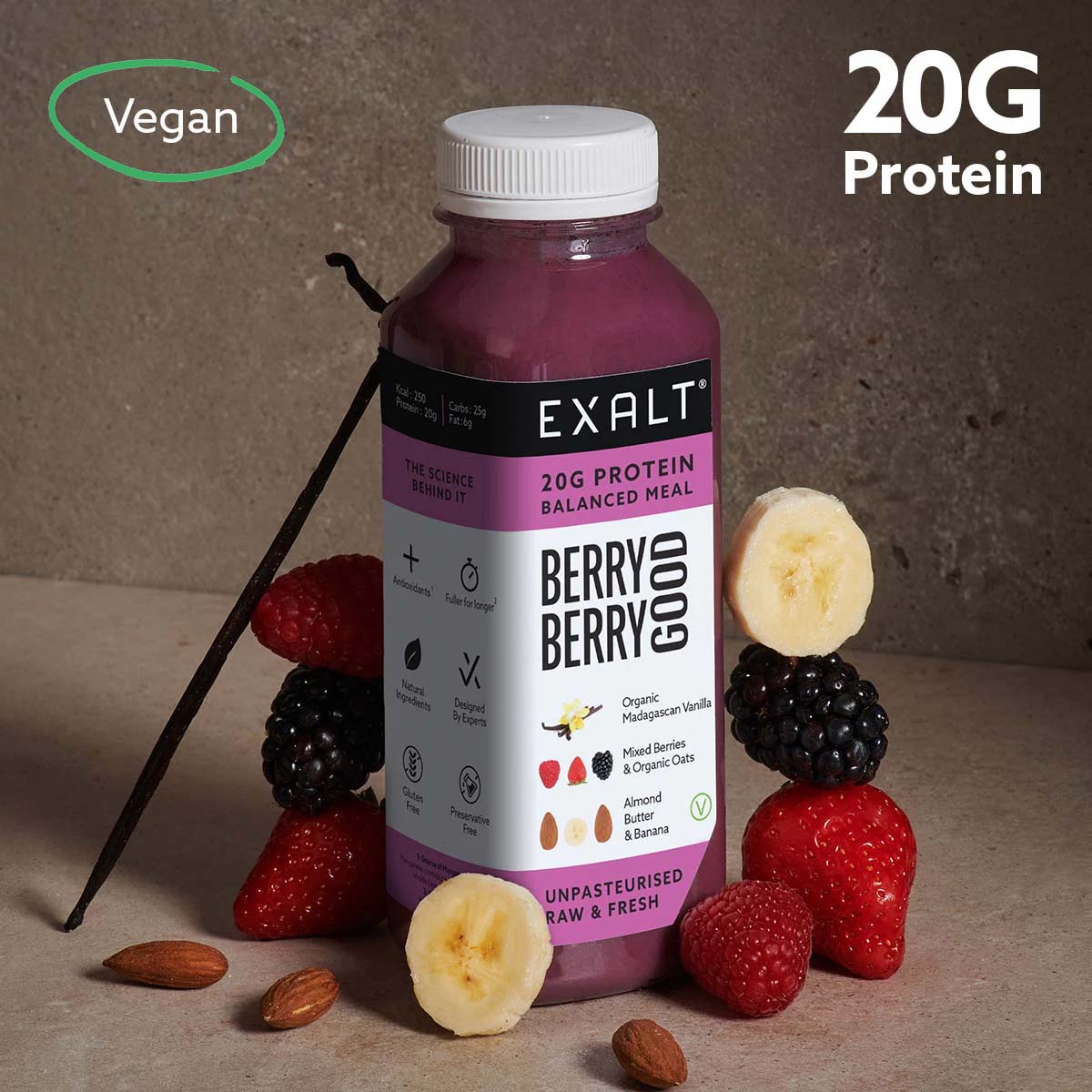
Many people on GLP-1 medication find that liquid protein goes down far more easily than a plateful of anything. A well-made protein shake can deliver 25–30 grams in a few sips.
Protein shakes, bone broth, and blended soups all do the job without the wrestling match.
Little and Often Beats Three Big Meals
Ditch the traditional breakfast-lunch-dinner format. Smaller, protein-rich meals and snacks throughout the day are much kinder on your digestion. Think of it like topping up a tank rather than trying to fill it in one go.

The Other Nutrients You Can't Skip on GLP-1 Medication
Protein’s the headliner, but it’s not a solo act. When your overall food intake drops, a few other things tend to quietly suffer:
-
Fibre (25–30g daily) keeps digestion on track and prevents constipation, one of the most common GLP-1 side effects.
-
Hydration is non-negotiable since GLP-1 medication increases the risk.
-
Micronutrients like calcium, iron, and vitamin D can dip when you’re eating less.
And the single most effective habit to pair with your protein intake? Resistance training. Strength training combined with adequate protein intake is the gold standard for maintaining muscle mass during weight loss.
Too Tired to Meal Prep? Try the EXALT GLP-1 Nutrition Plan
Nobody warns you about this bit of GLP-1 life. It's not the medication that's hard. It's standing in the kitchen at 6 pm, staring at a chicken breast like it owes you money.
Was that 25 grams of protein or 35? Who even knows at this point?
The EXALT 7-Day GLP-1 Nutrition Support Plan takes that whole scene off your plate. Literally.
You choose from different appetite-suppression bundles based on how you actually feel that day. Each one leans on protein, micronutrients, and hydration. And the volume adjusts with your appetite, so nothing feels forced.
A leading dietitian put the whole thing together using whole food ingredients. You get proper nourishment without becoming a part-time nutritionist yourself.


