


Does cold-pressed juice have fibre? Yes, but barely.
Picture this. You're clutching a gorgeous bottle of green juice, feeling like the wellness warrior you were born to be. You've chosen vitamins over questionable leftover pizza.
But then your stomach rumbles an hour later. What gives?
When fruits and vegetables become cold-pressed juice, most of the fibre stays behind with the pulp. This article covers what happens during cold pressing and where you can actually get your fibre fix.
What Is Fibre?
Fibre is the part of plant foods your body can't digest. Sounds useless, right? It's actually one of the most important things you can eat.
There are two types of fibre doing important work:
-
Soluble fibre dissolves in water and forms a gel-like substance. It feeds your gut bacteria and helps manage cholesterol. You'll find it in apples, pears, and citrus.
-
Insoluble fibre doesn't dissolve. It adds bulk to your digestion. Think of it as nature's broom for your insides.
Both types work together to regulate blood sugar, aid digestion, and help you feel full after eating.
Why Your Body Loves Fibre
When you're rushing between meetings or squeezing in a gym session, fibre stops you raiding the biscuit tin at 3 pm.
It slows down how quickly glucose enters your bloodstream, giving you steady energy instead of that spike-and-crash rollercoaster.
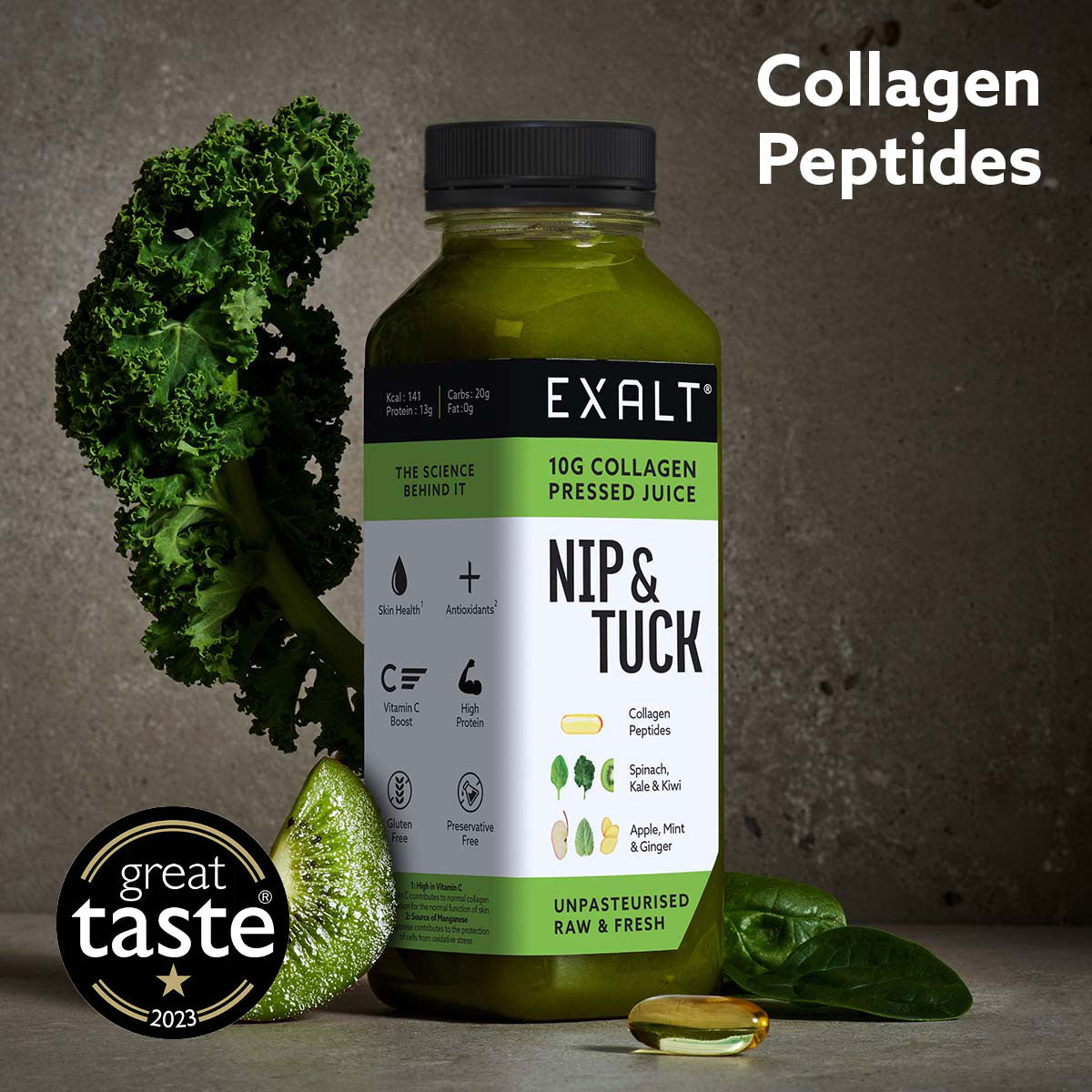
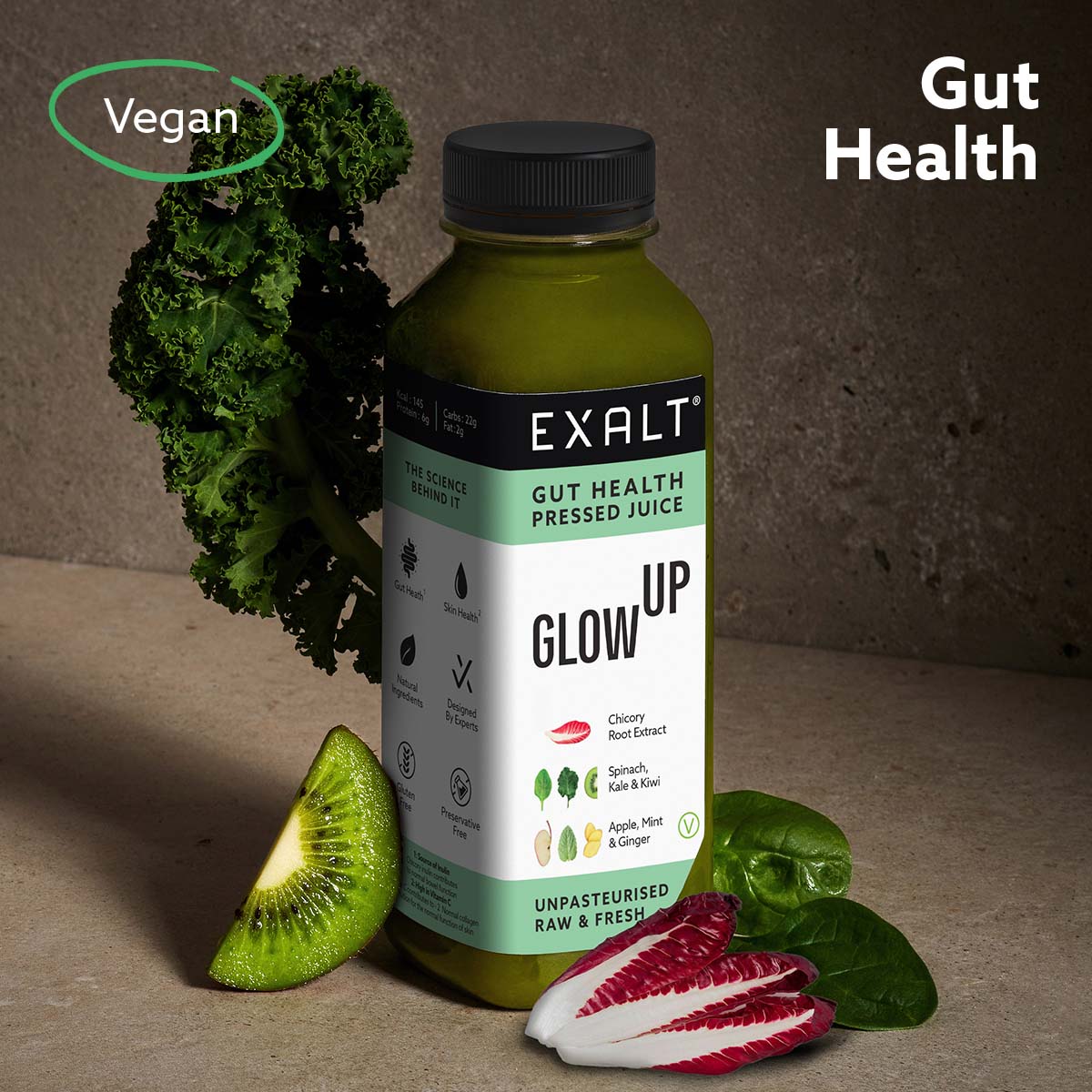
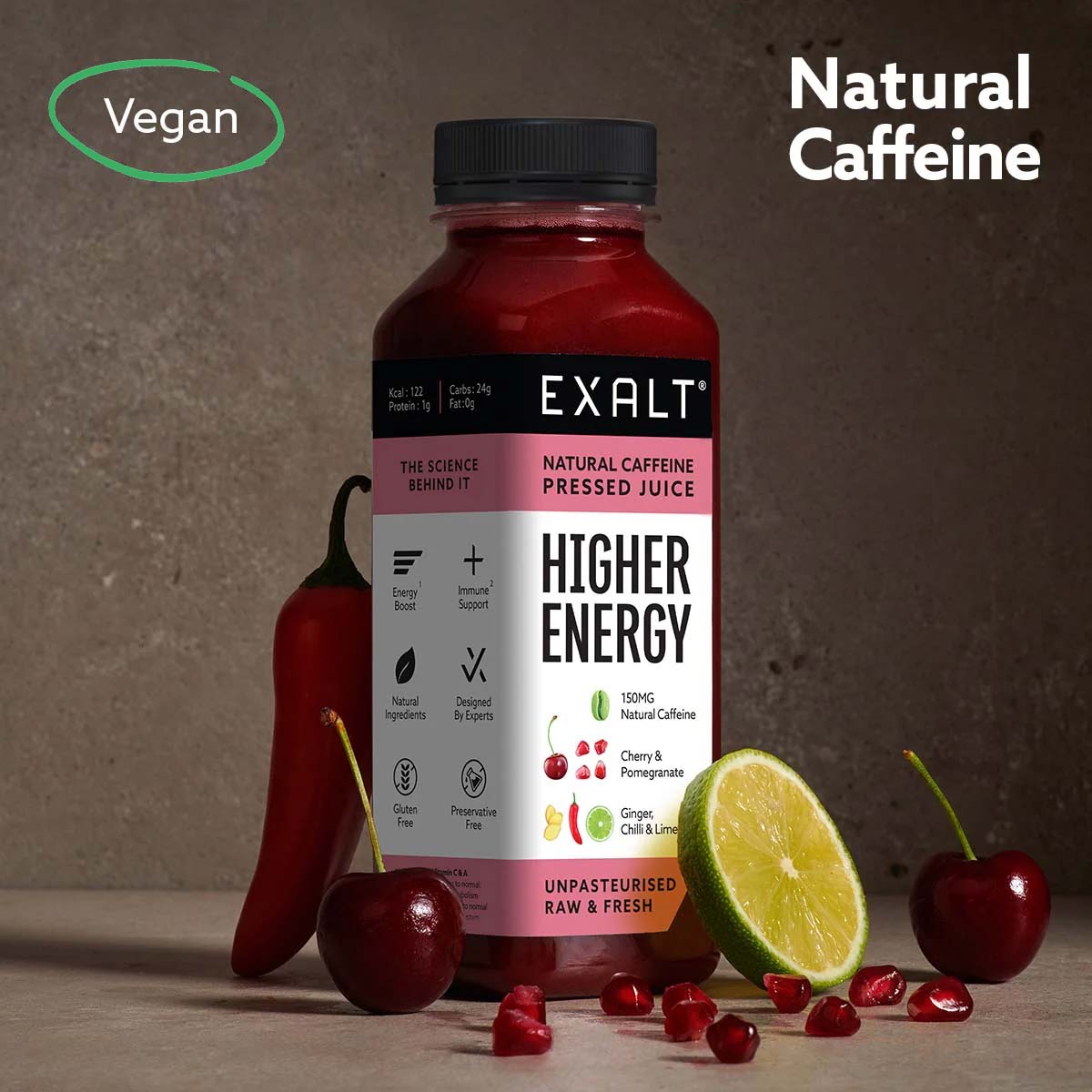
Does Cold-Pressed Juice Have Fibre?
Cold-pressed juice contains very little fibre compared to eating whole fruits and vegetables.
Here's what happens when that hydraulic press does its thing:
What stays in the juice:
-
Vitamins and minerals
-
Enzymes and antioxidants
-
Some soluble fibre
What gets left behind:
-
The pulp
-
Most of the insoluble fibre
How Juicing Affects Your Glucose Levels
That pulp isn't wasted. It's packed with insoluble fibre that slows sugar absorption and keeps your digestive system happy.
Without it, the natural sugars in fresh juice hit your bloodstream much faster. This can send your glucose levels on a bit of a joyride, leaving you buzzing one minute and reaching for snacks the next.
The soluble fibre that remains feeds healthy gut bacteria. But the amounts are minimal compared to eating the fruit itself.
Cold-Pressed Juice vs. Whole Fruit
When you eat whole fruits, both soluble and insoluble fibre work together. The insoluble fibre slows down how quickly sugar enters your bloodstream. It also adds bulk to your digestion.
When you drink fruit juices, most of that fibre is gone. Your body absorbs the sugars much faster because there's nothing pumping the brakes.
When Does Each One Work Best?
This doesn't make juice bad. EXALT’s cold-pressed juices are ideal when you want a quick vitamin boost, fast nutrient absorption, or a refreshing beverage.
Whole fruits are better when you need sustained energy, something to help you feel full, or digestive support.
Skip the Juice for Fibre? Try These Instead
If fibre is what you're after, you've got options beyond staring longingly at that pile of leftover pulp.
Whole Fruits and Vegetables
The simplest fix? Eat your produce instead of drinking it.
An orange has about 3 grams of fibre. Orange juice has almost none. The same goes for most fruits and vegetables, from leafy greens to beets and everything in between.
Try pairing your morning juice with a piece of whole fruit. You get the vitamins from the beverage and the fibre from the food.
Smoothies
Unlike juicing, blending keeps everything in the drink. The whole fruit or vegetable goes in, fibre and all. No hydraulic press separating the good stuff from the filling stuff.
Smoothies retain both soluble and insoluble fibre. You get the quick convenience of a drink with the staying power of a meal.
Why Protein Smoothies Keep You Fuller Than Juice
Fibre is great on its own. But combine it with protein, and that's when the magic happens.
Protein takes longer to digest than carbohydrates. It signals to your brain that you've eaten something substantial.
Add fibre to the mix, and you've got a beverage that sustains you for hours.
EXALT's Handmade Options
EXALT's protein smoothies are made in London using whole ingredients. They're designed for people who need proper nutrition without the faff.
Some flavours worth trying:
-
Lean Machine: Creamy vanilla with overnight oats, almond butter, bananas, and 40g protein. Basically, breakfast in a bottle.
-
Health Nut: Chocolate with dates, oats, hazelnut butter, and 22g vegan protein. Dessert that's actually good for you.
-
Holy Greens: Spinach, banana, almond butter, pumpkin seeds, and 23g vegan protein. More than just another green juice.
-
Berry Berry Good: Mixed berries with 20g vanilla vegan protein and almond butter. Fruity without the sugar crash.
So, What's the Verdict on Juice and Fibre?
Technically, cold-pressed juice has fibre, but not enough to keep you going.
Cold-pressed juice is fantastic for vitamins, minerals, and antioxidants. It's a brilliant addition to your wellness routine.
If you want the convenience of a drink with the fullness of whole fruits, protein smoothies are the way forward. They keep all the good stuff in and add protein for lasting satisfaction.
Ready to try something that actually keeps you going? Check out EXALT's protein smoothies and find your new favourite drink!


